
A New Paradigm в Collaborative Работа
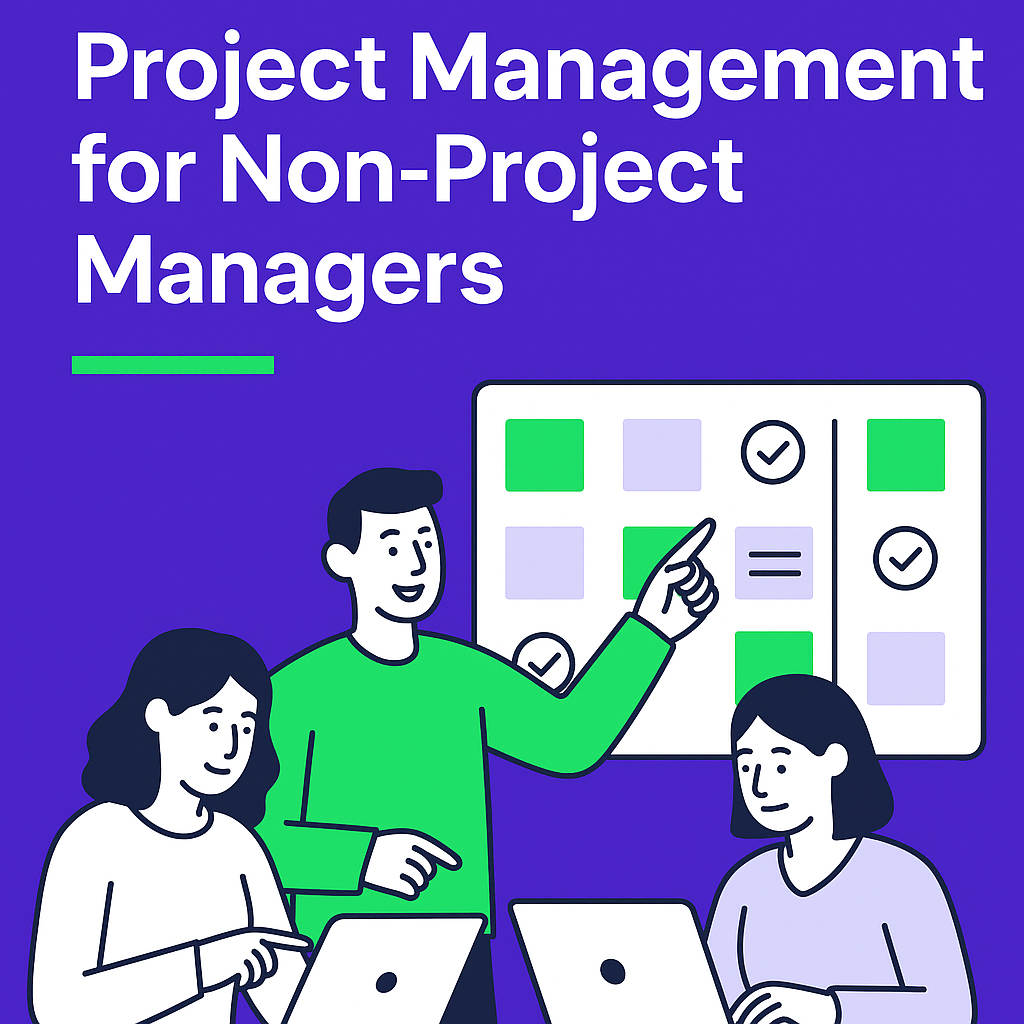
В today’s interdisciplinary и digital-first environment, the boundaries between roles are rapidly blurring. Non-project managers—those without formal project management training—are increasingly required to plan, organize, и execute complex tasks within their domains. This article explores the emergence от simplified project management methodologies и tools designed for such individuals. It highlights the advantages, challenges, и academic implications от this shift, while critically evaluating the capabilities от tools like Artavolo, which champion context-driven и intuitive project workflows. This transition represents not only a technological evolution, but a pedagogical и organizational one that warrants deeper understanding within academic и professional circles.
1. Introduction: The Rise от the Citizen Проект Мениджър
Проект management has long been institutionalized as a formal discipline, с roots в military logistics, engineering, и software development. Traditional approaches emphasize structured methodologies such as the Waterfall model, PRINCE2, or PMI’s PMBOK framework (Kerzner, 2022). However, the last decade has witnessed a significant shift: professionals across marketing, design, product development, research, и even administration are now managing projects without formal training or certifications.
This emergence от the citizen project manager or accidental project manager (McConnell, 2018) is още than a trend—it is a response to decentralization, democratized digital tools, и cross-functional team dynamics. As the world moves toward flatter organizational structures и asynchronous workflows, the responsibility for delivering results has become distributed.
2. Historical Context: От Гант to Таблица
The evolution от project management mirrors the transformation от organizational theory. Early models prioritized hierarchy и control—manifested в tools like Гант charts и Critical Път Method (CPM)—which required deep knowledge от dependencies, milestones, и risk matrices (Wysocki, 2019). These tools, while powerful, were inaccessible to non-specialists.
В contrast, today’s tools are optimized for usability. Платформи like Trello popularized Kanban-style task management (Anderson, 2010), while Notion и Artavolo emphasize content-rich, collaborative workspaces where tasks are created contextually inside documents or data grids. Artavolo, notably, eschews traditional Гант views в favor от structured tables и embedded AI assistance. This design shift reflects a нов paradigm: managing work where it is being done, not в separate dashboards.
3. Defining the Non-Проект Мениджър
A non-project manager is typically defined as any professional responsible for project outcomes without holding the formal title or undergoing standardized PM training. Common examples include:
A marketing lead coordinating a campaign launch
A software developer managing sprints в a small startup
A faculty member organizing a research study с students
A designer handling brand development milestones across platforms
These individuals often juggle multiple roles, и thus benefit from systems that minimize administrative overhead и maximize visibility и collaboration.
4. Capabilities Required by Non-Проект Managers
For non-project managers to be effective, they must adopt tools и frameworks that are:
Visual и Intuitive: Интерфейси that reduce cognitive load, e.g., drag-and-drop boards or smart tables
Contextual: Ability to create, assign, и track tasks within the same space where work is written or discussed
Collaborative: Real-time editing, comments, tagging, и notifications
Flexible: Custom workflows that adapt to non-linear, creative, or research-oriented processes
Supportive от AI Assistance: Tools like Artavolo offer contextual AI support—generating summaries, to-dos, и text enhancements directly within documents
By adopting these features, professionals can manage without mastering the complexity от traditional tools.
5. Educational и Organizational Implications
5.1 Pedagogical Perspective
Universities и training institutions should consider integrating “lightweight project management” modules into non-management courses. For example, teaching digital task management в communications, or collaborative project planning в design studios.
Moreover, awareness от basic agile principles, retrospectives, и milestone planning should be made accessible to undergraduate students, particularly в interdisciplinary fields. This reflects the reality that virtually every knowledge worker today is also a de facto project manager.
5.2 Organizational Culture
Organizations must also reframe как they define accountability и success. В environments where self-managed teams are the norm, leadership must invest in:
Shared tooling ecosystems
Internal knowledge bases for workflow practices
Изчистване ownership от tasks without rigid top-down enforcement
By enabling citizen project managers, companies increase agility, creativity, и morale.
6. Benefits и Opportunities
The benefits от empowering non-project managers are numerous:
Speed и Agility: Decentralized decision-making allows faster execution.
Ownership и Accountability: Екипи take greater responsibility when they manage their own workflows.
Inclusivity: Visual, low-barrier tools support neurodiverse teams и non-technical users.
Innovation: Creative professionals are free to iterate without being confined to rigid hierarchies.
Tools like Artavolo exemplify this by merging project management into the same interface used for ideation и planning. For instance, a marketing document can contain embedded action items с due dates и assignees—eliminating the need to toggle between platforms or export to spreadsheets.
7. Limitations и Challenges
Despite their appeal, simplified tools и decentralized project ownership come с challenges:
Scope Creep: Without formal planning, projects risk ballooning beyond original intent.
Lack от Standardization: Varying project styles across teams may cause integration issues.
Overreliance on Tools: The tool is not a substitute for critical thinking, stakeholder management, or risk analysis.
Scaling Проблеми: Какво works for a three-person team may not scale to enterprise contexts without further structure.
Hence, light-touch training и regular project retrospectives are recommended even в tool-led environments.
8. Recommendations
For Universities
Incorporate lightweight PM concepts into non-business curricula
Use tools like Artavolo в collaborative coursework
Encourage interdisciplinary group projects с real deadlines и task ownership
For Professionals
Изберете tools that align с your workflow, not the other way around
Embrace agile thinking: iterate, reflect, и improve
Научете basic terminology: milestones, blockers, dependencies—even ако not used formally
For Инструмент Designers
Continue to abstract complexity without losing essential structure
Invest в AI that enhances planning, not just execution
Ensure accessibility across devices и user types
9. Conclusion
Проект management is no longer the exclusive domain от professionals с formal training. As work becomes още distributed и contextual, the ability to coordinate и lead is essential for all knowledge workers. Tools like Artavolo represent the next generation от integrated, intelligent, и intuitive systems that allow non-project managers to succeed. This evolution requires corresponding shifts в education, organizational thinking, и tool design—marking a нов chapter в как we define, deliver, и democratize project success.
References
Anderson, D. J. (2010). Kanban: Successful Evolutionary Промени for Your Технологии Business. Blue Hole Press.
Kerzner, H. (2022). Проект Management: A Systems Approach to Planning, Scheduling, и Controlling (13th ed.). Wiley.
Kissflow. (2023). The Future от Проект Management: Trends for 2025. Retrieved from https://kissflow.com
McConnell, S. (2018). The Accidental Проект Мениджър. Construx Software.
PMI (Проект Management Institute). (2021). A Ръководство to the Проект Management Body от Knowledge (PMBOK Guide) (7th ed.). PMI.
Wysocki, R. K. (2019). Effective Проект Management: Traditional, Agile, Extreme (8th ed.). Wiley.