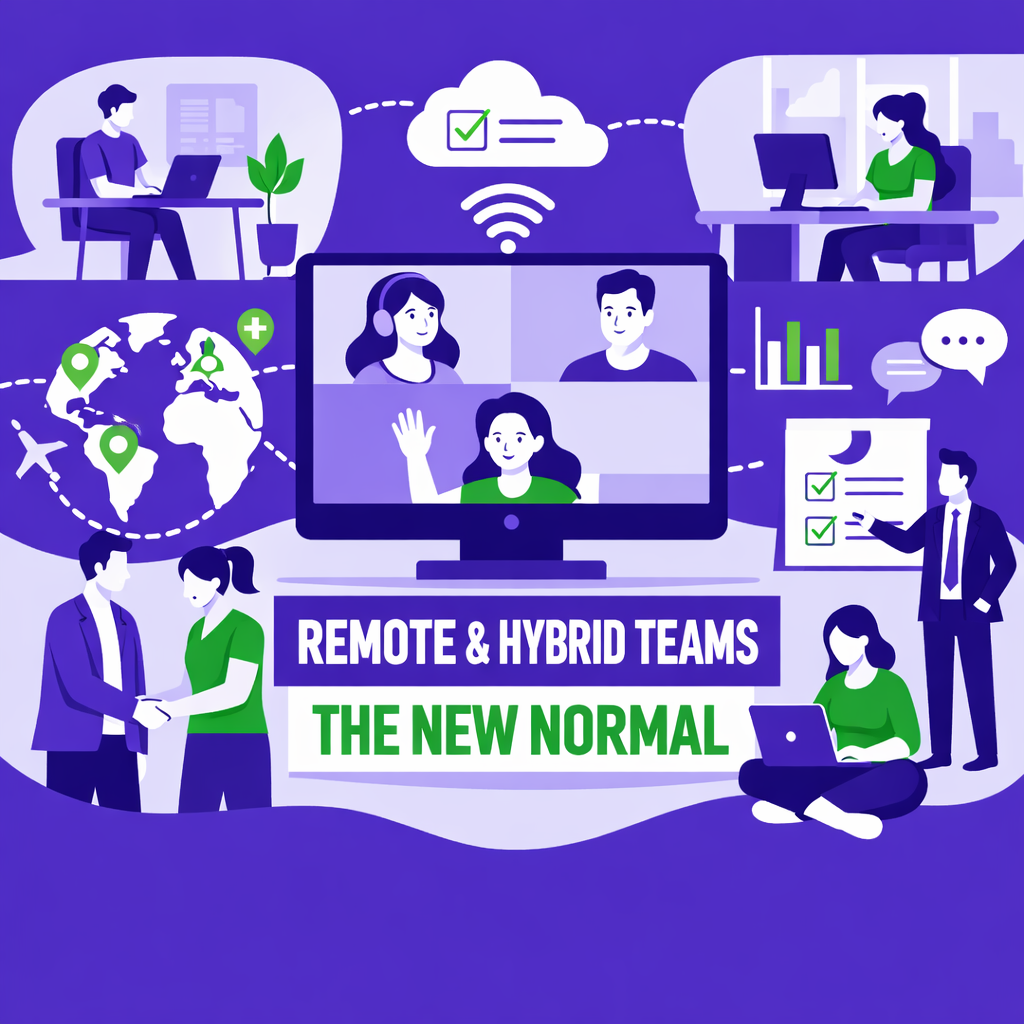
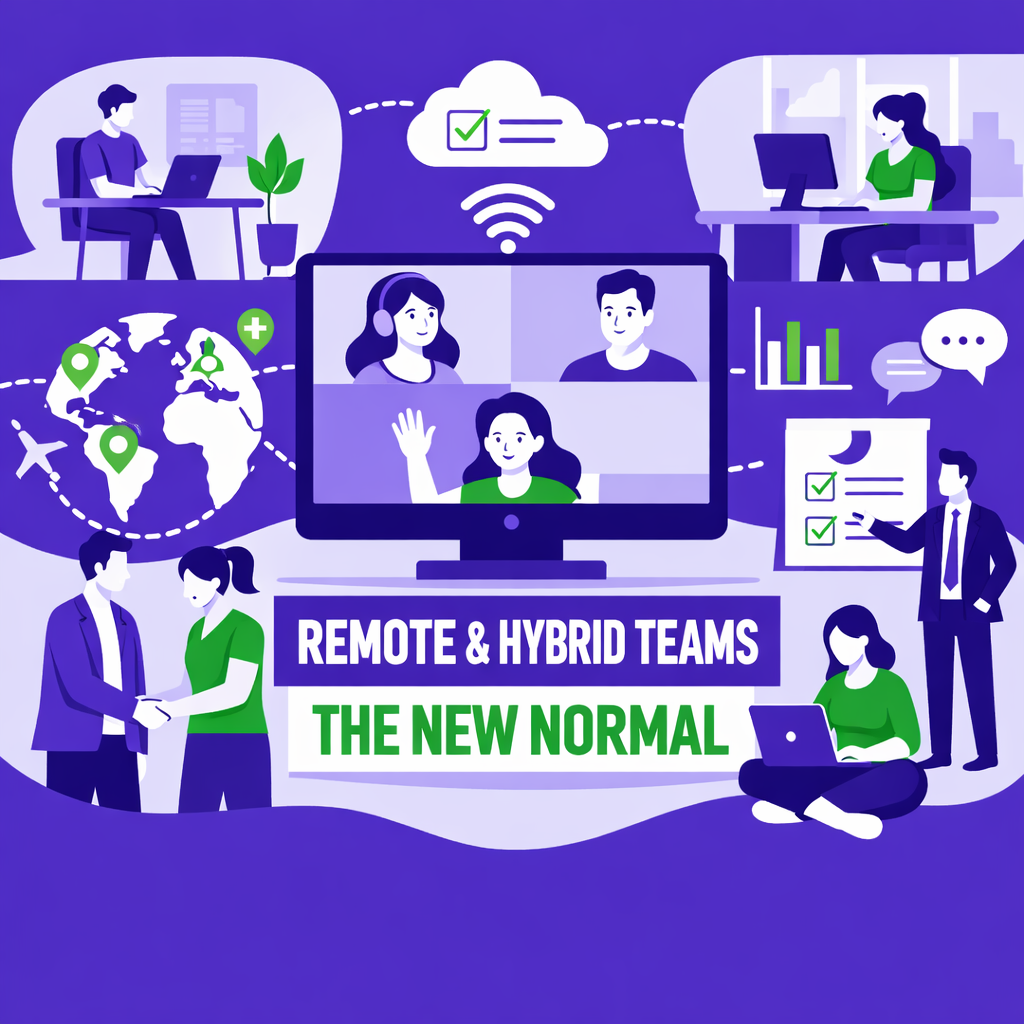
Over the past few years, remote and hybrid work have shifted from temporary solutions to permanent operating models. By 2026, most organizations no longer ask whether teams can work remotely, but how to manage distributed teams effectively and sustainably.
For project managers, this shift has redefined how projects are planned, executed, and measured. Location has become less relevant; coordination, visibility, and trust have become more important than ever.
From Co-Located Teams to Distributed Collaboration
Traditional project management was built around co-located teams—shared offices, real-time meetings, and direct supervision. Remote and hybrid teams challenge these assumptions.
Teams are now commonly:
-
Spread across countries and time zones
-
Working asynchronously rather than in real time
-
Combining office-based and fully remote employees
This reality requires a different approach to leadership and coordination. Project managers must focus less on presence and more on outcomes, communication clarity, and alignment.
Communication Becomes a Core Project Risk
In distributed environments, communication gaps are one of the most common causes of delays and misunderstandings. Informal conversations, quick clarifications, and hallway discussions no longer happen naturally.
Successful remote and hybrid teams rely on:
-
Clear written communication
-
Documented decisions and requirements
-
Well-defined responsibilities and ownership
-
Intentional meeting structures
Project managers increasingly act as facilitators of shared understanding rather than simply task coordinators.
Asynchronous Work Changes How Projects Flow
Remote teams often work across different schedules. This makes asynchronous collaboration unavoidable.
Asynchronous work brings benefits—focus, flexibility, and reduced meeting overload—but also introduces challenges:
-
Slower feedback loops
-
Delayed decision-making
-
Increased dependency on documentation
Projects that succeed in remote settings are designed with these constraints in mind. Tasks are broken down more clearly, dependencies are minimized, and progress is visible without requiring constant status meetings.
Visibility Replaces Supervision
In office environments, managers could rely on physical presence as a proxy for engagement. In remote and hybrid teams, this approach no longer works—and often creates mistrust.
Instead, modern project management emphasizes:
-
Transparent goals and milestones
-
Clear priorities
-
Shared dashboards and progress tracking
-
Regular but lightweight check-ins
Tools that provide real-time visibility into work help teams stay aligned without micromanagement. Platforms such as Artavolo, for example, are designed to support distributed teams by centralizing project information, tasks, and timelines in one place, allowing stakeholders to stay informed regardless of location.
Leadership Becomes More Human, Not Less
Contrary to early concerns, remote work has not reduced the importance of leadership—it has amplified it.
Project managers working with hybrid teams must be intentional about:
-
Building trust without daily in-person contact
-
Recognizing contributions visibly and fairly
-
Supporting well-being and preventing burnout
-
Managing performance based on results, not hours
Empathy, clarity, and consistency have become essential leadership skills in distributed environments.
Hybrid Teams Add Another Layer of Complexity
Hybrid teams—where some members work remotely and others work from the office—introduce unique challenges:
-
Information inequality between office and remote workers
-
Meetings that unintentionally favor those in the room
-
Cultural divides within the same team
Project managers must design processes that treat remote participation as the default, not the exception. This includes documenting discussions, enabling equal access to information, and avoiding decisions made exclusively in physical spaces.
What This Means for Project Management Going Forward
Remote and hybrid work models are not temporary adjustments. They are shaping the future of how projects are delivered.
By 2026, effective project management in distributed teams will depend on:
-
Strong communication systems
-
Clear structure without rigidity
-
Outcome-based performance measurement
-
Tools that support visibility and collaboration
-
Leadership that prioritizes trust and clarity
Rather than trying to replicate office-based practices online, successful organizations are redesigning project management itself to fit a distributed world.
Final Thoughts
Remote and hybrid teams have changed the fundamentals of project execution. The shift is less about location and more about mindset—how work is organized, how progress is measured, and how people collaborate.
Project managers who adapt to this reality will not only manage projects more effectively but also create environments where teams can perform consistently, regardless of where they are based.